Key Takeaways
Area rugs are most effective when the size, material, pattern, and room layout work together. For many living rooms, 8x10 rugs and 9x12 rugs are the most common starting points, while larger rooms may need 10x12, 10x14, or oversized area rugs.
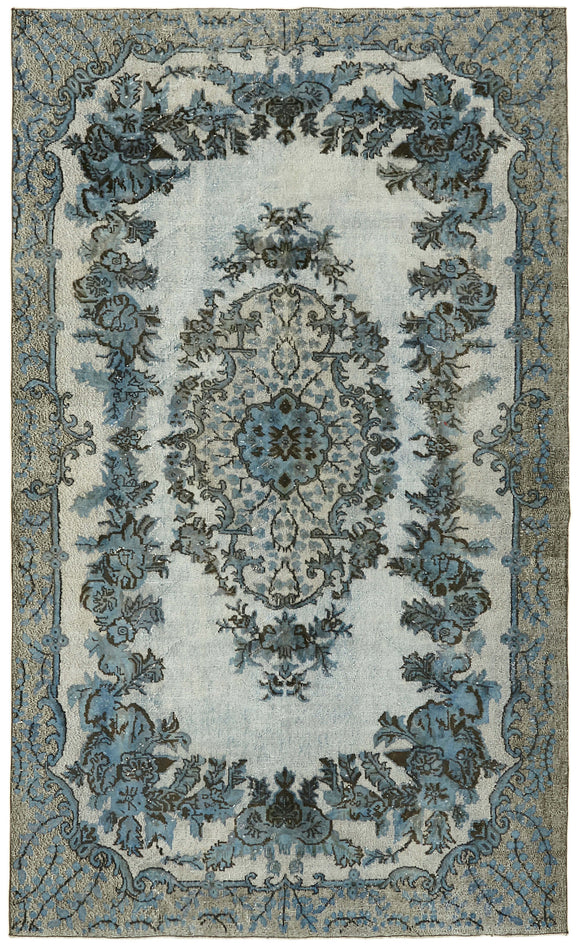
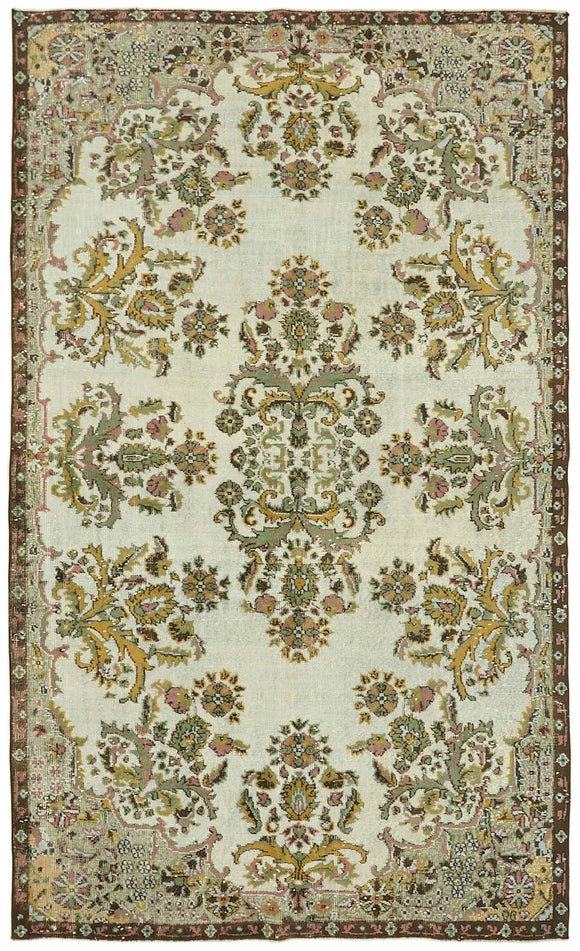
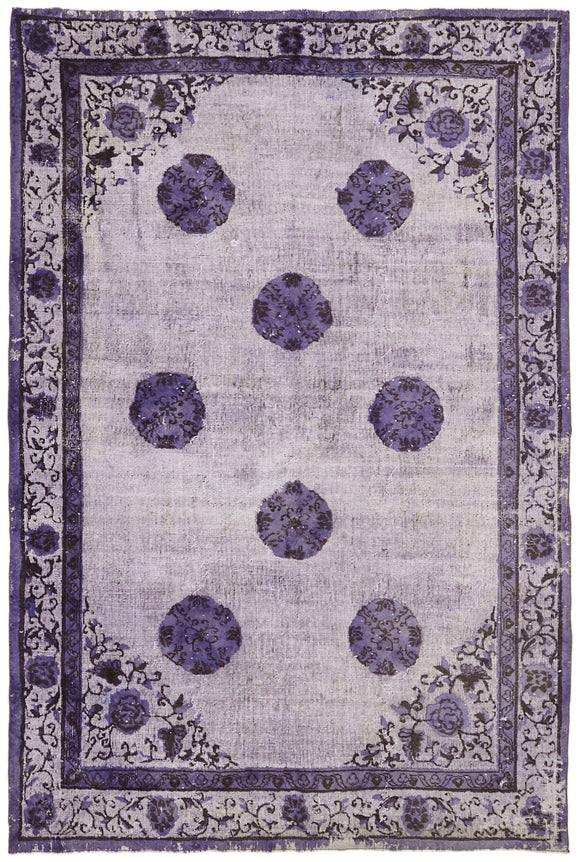
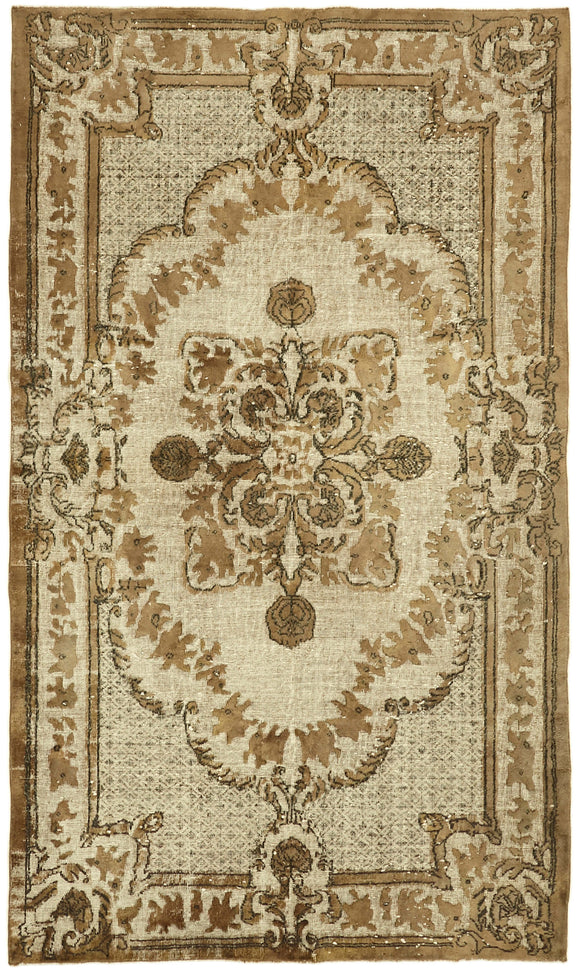
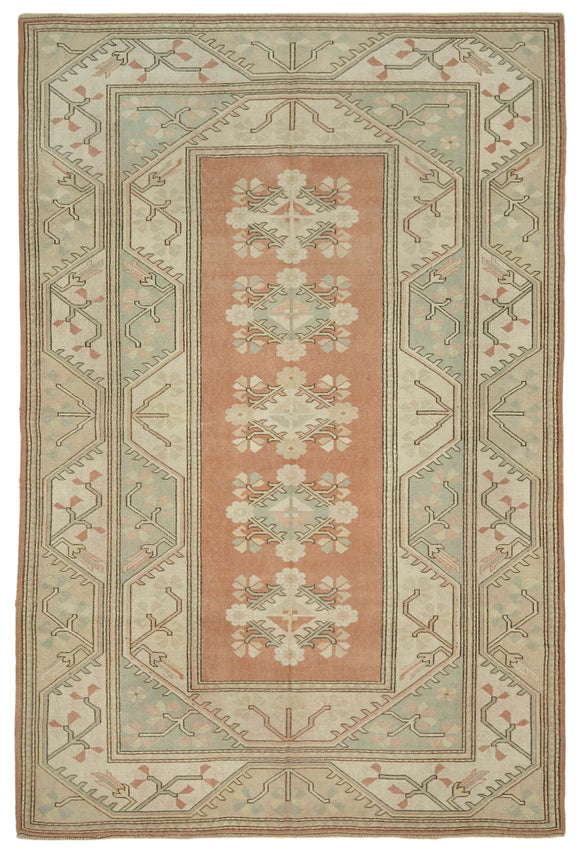
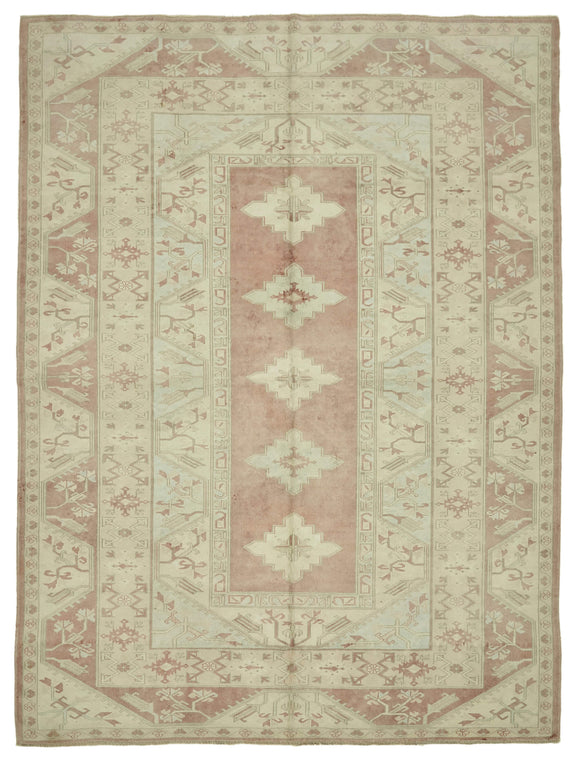
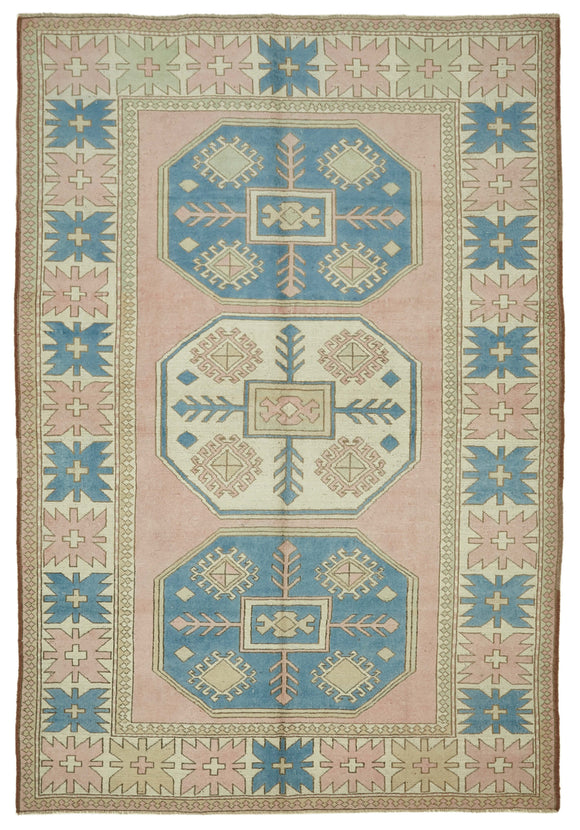
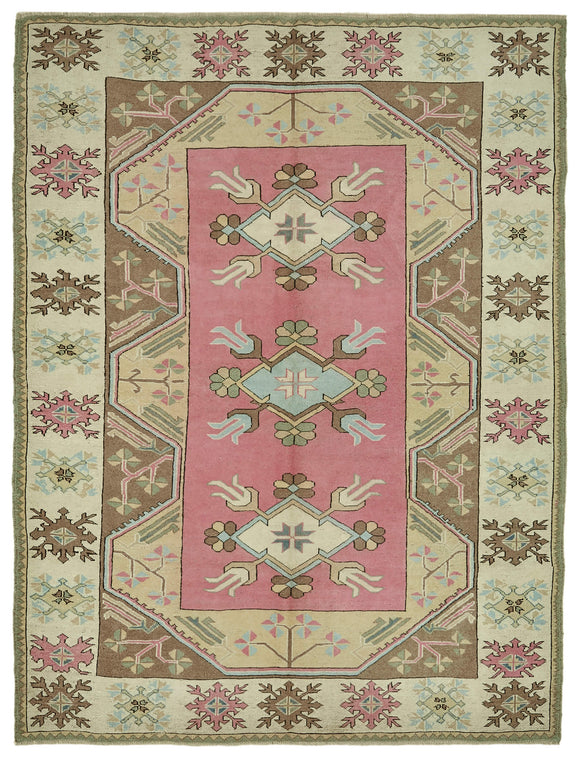
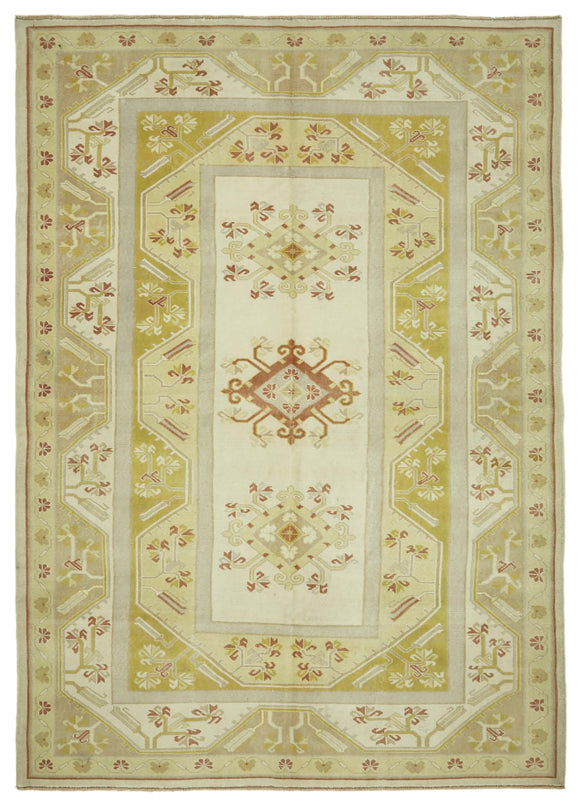
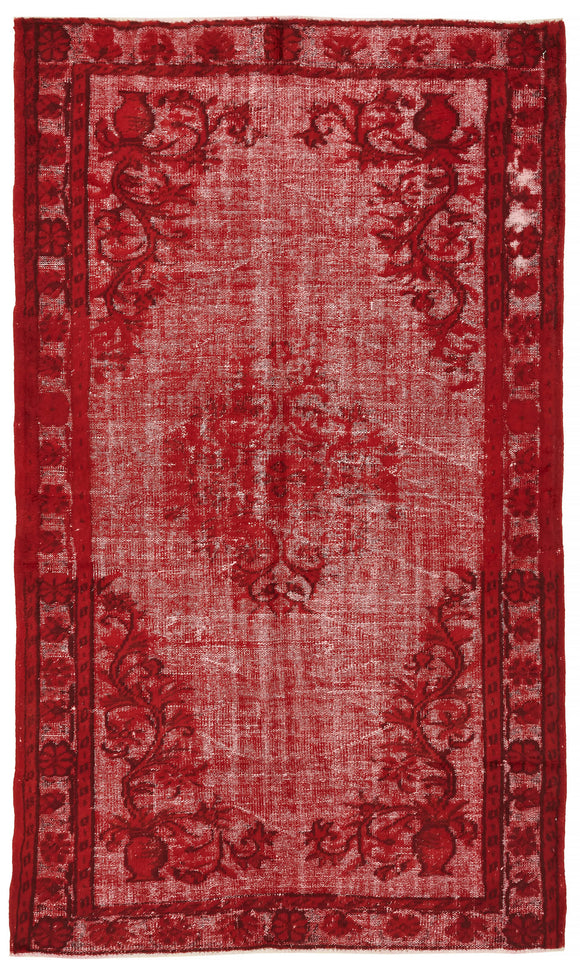
This collection includes handmade wool area rugs, vintage-inspired rugs, Persian-style rugs, modern area rugs, and versatile sizes for everyday homes. If you are comparing rugs for a living room, bedroom, dining room, or open-plan space, start with the room’s furniture layout before choosing the final size.
How to Choose the Right Area Rug Size
The right area rug should be large enough to connect the main furniture pieces without making the room feel crowded. In a living room, the front legs of the sofa and chairs should usually sit on the rug, while larger rooms can often support all furniture legs on the rug.
In a bedroom, the rug should extend beyond the sides and foot of the bed so the room feels soft and balanced. In a dining room, the rug should be large enough for chairs to remain on the rug when pulled out.
Common Area Rug Sizes
Common area rug sizes include 5x8, 6x9, 8x10, 9x12, 10x12, and 10x14. Smaller rooms often work best with 5x8 or 6x9 rugs, while medium living rooms commonly need 8x10 rugs. Larger living rooms, dining rooms, and open spaces often need 9x12, 10x12, or 10x14 rugs to create a more complete furniture zone.
Best Area Rugs by Room
Living Room Area Rugs
For living rooms, area rugs should anchor the sofa, coffee table, and accent chairs so the seating area feels connected. Wool area rugs, vintage-inspired rugs, Persian-style rugs, and modern area rugs can all work well depending on the color palette and furniture style.
Bedroom Area Rugs
For bedrooms, an area rug should add softness around the bed while keeping the room calm and comfortable. Neutral wool rugs, vintage rugs, and low-profile handmade rugs often work well because they add texture without overpowering the space.
Dining Room Area Rugs
For dining rooms, choose a rug that is large enough for the table and chairs. Low-profile wool rugs, flatweave rugs, and durable handmade area rugs are often easier to use under dining furniture because chairs can move more smoothly across the surface.
Materials and Styles to Consider
Handmade Wool Area Rugs
Handmade wool area rugs are a strong choice for everyday rooms because wool offers natural texture, durability, and a comfortable feel underfoot. Wool also gives the rug more depth and character than flat synthetic surfaces.
Vintage, Persian-Style, and Modern Area Rugs
Vintage-inspired rugs can bring warmth and character to modern homes, while Persian-style area rugs add pattern, structure, and a more traditional design language. Modern area rugs are useful when the room needs a cleaner, simpler, or more minimal look.
When choosing between styles, consider the room’s existing furniture, floor tone, wall color, and natural light. A quiet neutral rug can calm a busy room, while a patterned vintage or Persian-style rug can become the main design feature of the space.
When to Choose a Larger Area Rug
If the furniture feels disconnected, the room looks unfinished, or the rug appears to float under only the coffee table, the rug may be too small. Larger area rugs such as 9x12, 10x12, and 10x14 can help define open-plan living areas, large bedrooms, and dining rooms with bigger tables.
A larger rug usually makes a room feel more intentional when the surrounding floor border still looks balanced.