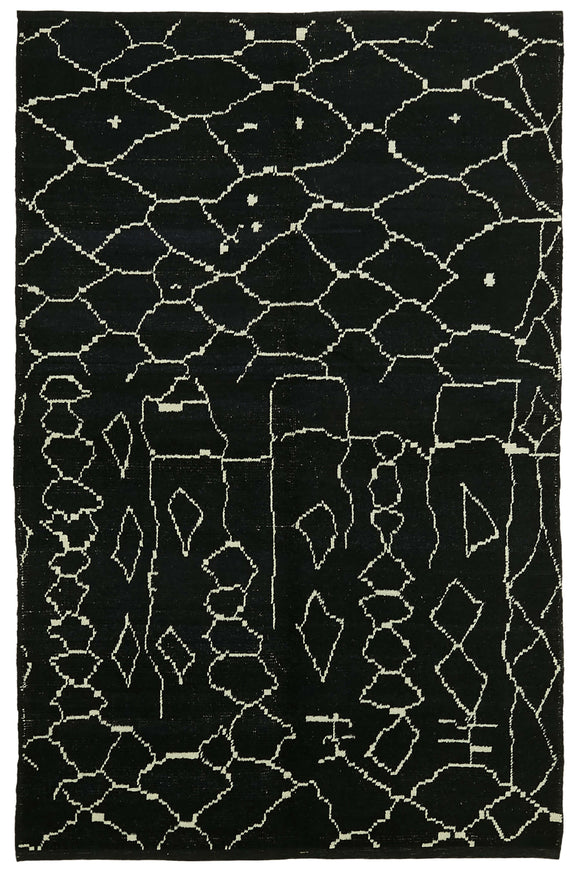
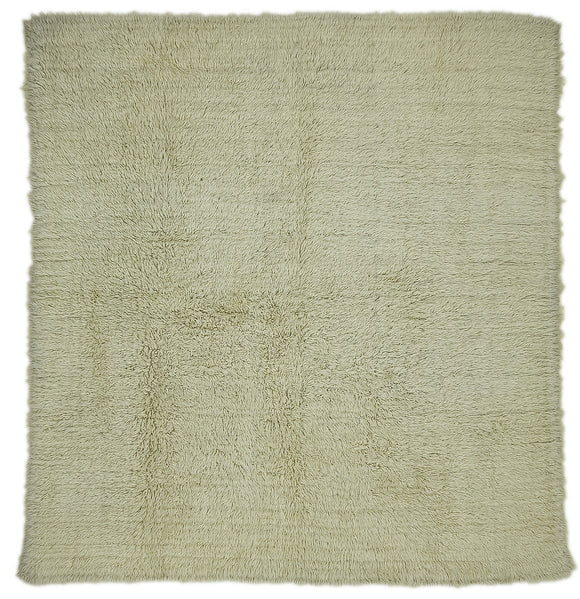
Entryway rugs shape the first impression of a home by softening the threshold, protecting the floor, and giving a foyer or hallway a more finished sense of purpose. In narrower spaces, the right rug should feel welcoming without making the entry feel crowded or difficult to move through.
At Svony, our collection brings together one-of-a-kind handmade rugs chosen for practical scale, low-pile usability, and quiet visual character. Whether you prefer a faded vintage pattern, a softer Oushak-inspired palette, or a flatter woven look that feels easy underfoot, the best entryway rug balances durability, proportion, and tone.
Explore handmade entryway rugs designed for foyers, hallways, and compact entry spaces where texture matters, movement matters, and the first impression should feel intentional from the start.
An entryway rug does more than decorate a threshold. It helps define the landing space, softens the transition into the home, and makes a foyer feel more considered from the moment you walk in. In a narrow hall or smaller entry, the rug should support movement rather than interrupt it.
What Makes a Good Entryway Rug
The best entryway rugs are usually lower in pile, practical in scale, and visually balanced. In a busy entrance, a thick rug can feel awkward at the doorway, while a lower profile is easier to live with and keeps the room feeling lighter. Vintage wool rugs, muted traditional patterns, and flatter weaves are often especially effective because they combine texture with usability.
How to Choose the Right Size
For most foyers and narrow landings, the goal is not to cover as much floor as possible. The goal is to create a clear, measured landing space. A rug that is too small can look accidental, while one that is too large can make the entry feel tight. In narrower layouts, smaller-format and runner-style solutions usually work best depending on the shape of the space.
Best Handmade Styles for Entryways
Vintage wool rugs are often a strong choice because their patterning can soften signs of everyday use while still feeling refined. Oushak-inspired palettes work well in brighter entries where a calmer look is preferred. Flatweave and kilim-style options suit tighter areas that need easy movement and a lower profile.
Entryway Rug Ideas by Space Type
Small foyer: choose a compact rug with enough presence to define the landing without crowding the doorway.
Long hallway entry: choose a runner or elongated format that follows the architecture of the space.
Open-plan entry: use the rug to create a visual threshold between the front door and the main room.
Quiet, layered entry: choose a faded handmade pattern that adds character without strong contrast.
Common Mistakes to Avoid
Avoid rugs that are too thick for door clearance, too small for the landing area, or too visually busy for a narrow entry. The best entryway rug should feel welcoming, practical, and proportionate.
Low-pile entryway rugs are usually the most practical choice because they feel easier to walk on, work better near a doorway, and keep the space from feeling bulky.
Are wool rugs good for entryways?
Yes. Handmade wool rugs can work very well in entryways because they combine durability, texture, and a more refined look than many mass-market alternatives.
Should an entryway rug be dark or light?
Both can work. Darker vintage patterns often hide daily wear more easily, while lighter palettes can make a small foyer feel brighter and more open.
What size rug should I use in an entryway?
That depends on the shape of the entry. Small foyers often work best with compact rugs, while long hallways usually need runner rugs or longer narrow formats.
Are vintage rugs good for hallways and foyers?
Yes. Vintage rugs are often especially effective in entryways because they bring character, visible craftsmanship, and pattern that can feel practical in everyday use.