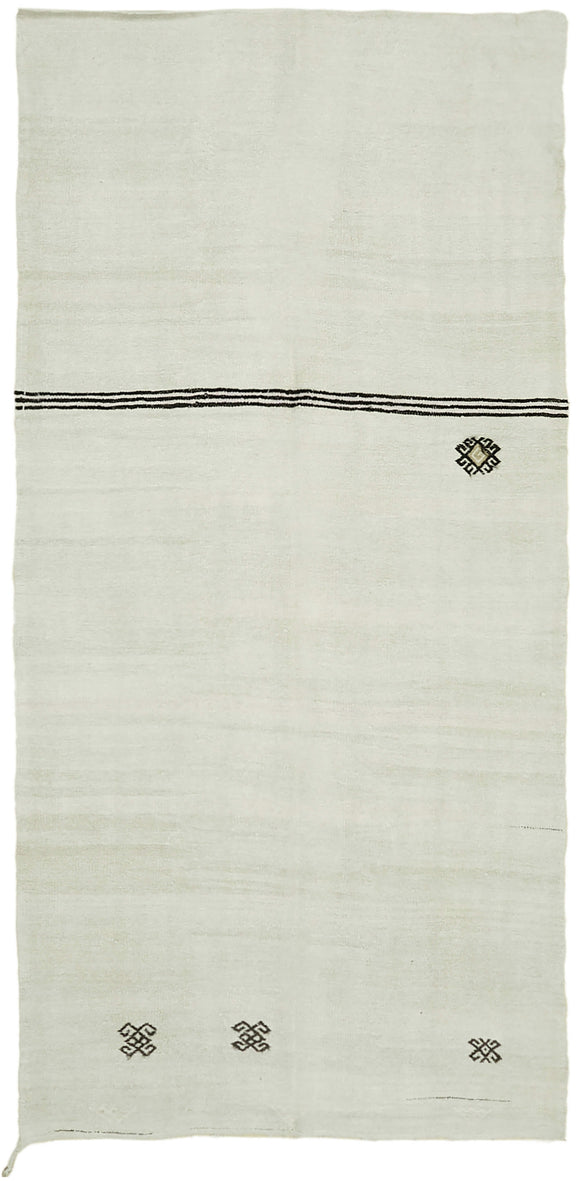
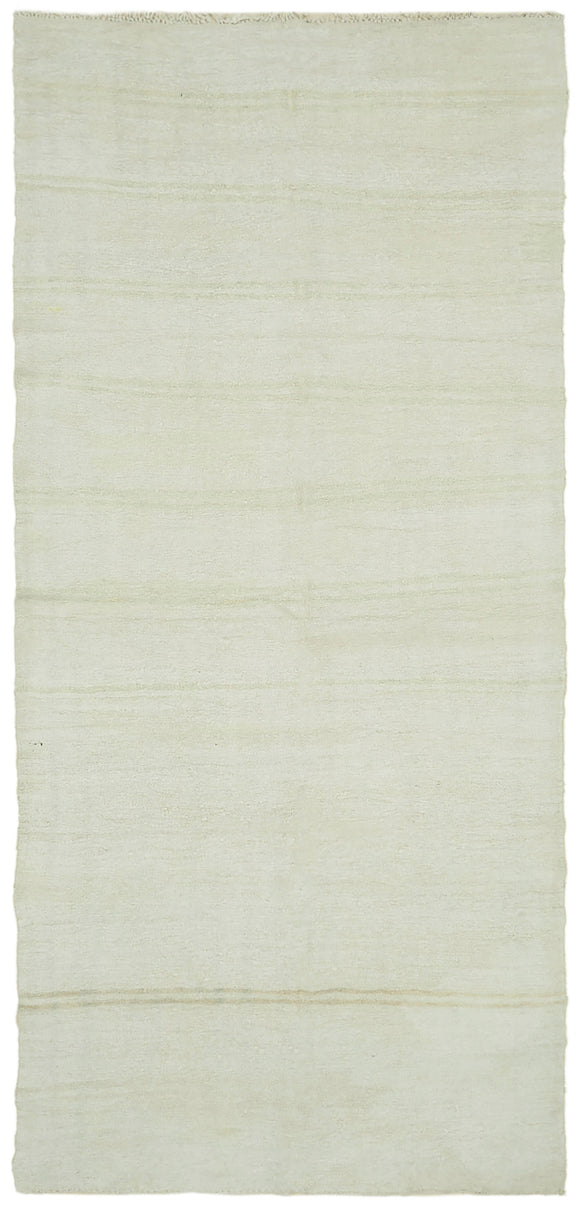
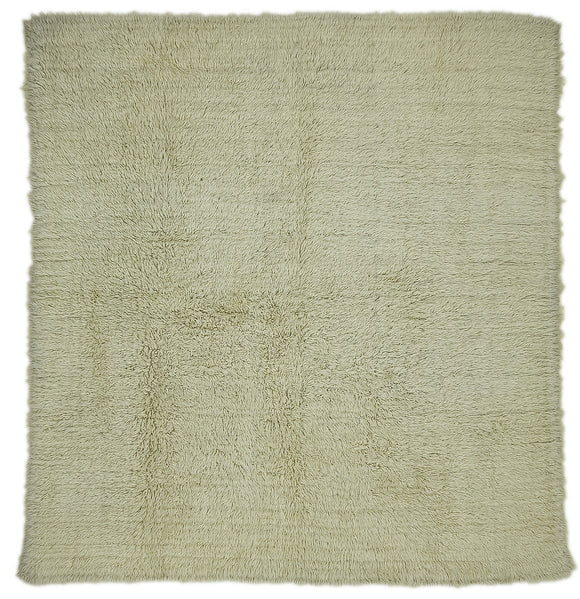
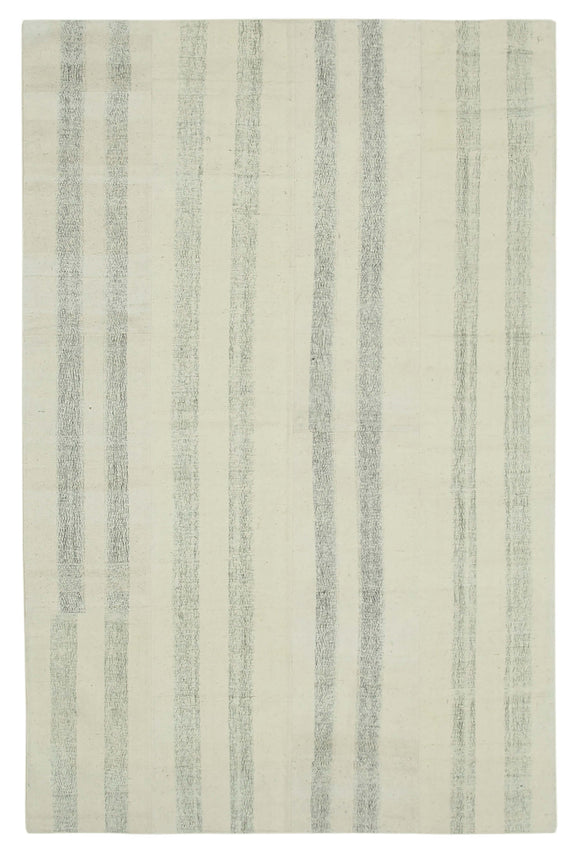
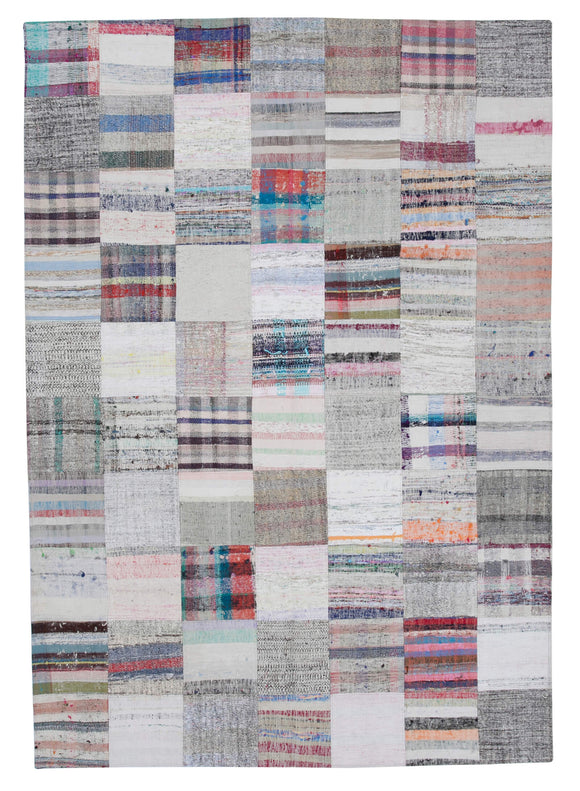
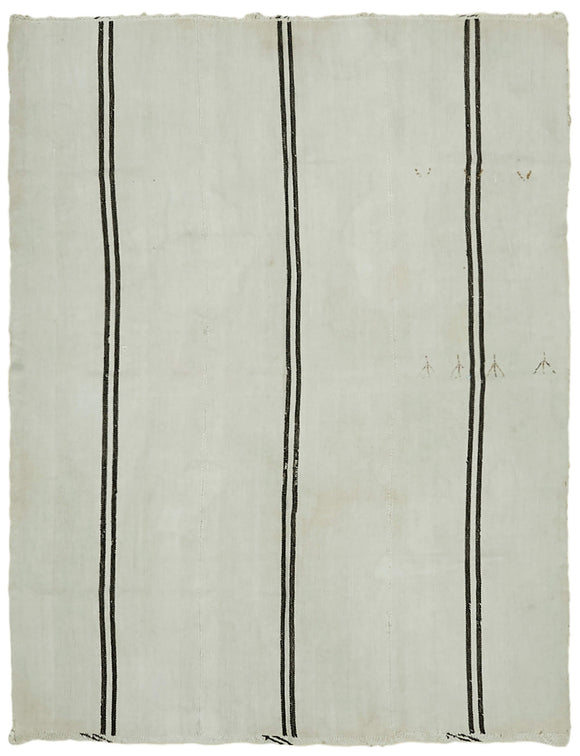
Key Takeaways
- White Rugs should be treated as a neutral light-color category, not a stark pure-white-only page.
- This page should target white rugs, white area rugs, and ivory rugs together in a cleaner, more livable color family.
- 8x10 white rugs and other mid-to-large room sizes matter commercially in this category.
- The strongest buying question is usually not “Do I want white?” but “Do I want a room to feel brighter, softer, and calmer without making it feel cold or hard to live with?”
White rugs are often chosen because they make a room feel lighter and more open. In many interiors, they create a sense of visual rest that darker or more saturated rugs do not. That effect can be especially valuable when the room already has architectural texture, wood furniture, layered seating, or natural daylight that benefits from a softer floor foundation.
Why Choose a White Rug?
A white rug is often the right choice when a room needs visual breathing space. It can brighten the floor, soften contrast, and help the furniture feel more elevated. In a room that feels heavy or overly busy, a lighter rug can restore calm more quickly than a stronger color category.
That said, the best white rugs are usually not stark white. In real homes, ivory, cream, oatmeal, and warm off-white often create a more premium and more forgiving result. These tones keep the room soft rather than clinical.
Where White Rugs Work Best
White rugs work especially well in living rooms, bedrooms, dining rooms, entryways, and hallways where the goal is to create a lighter and more relaxed atmosphere. They can also work beautifully in layered interiors that mix wood, linen, boucle, leather, and natural finishes.
They are especially useful when the room already has enough visual interest and does not need a rug to provide strong color. Instead, the rug’s job is to lift the whole space and make it feel more composed.
White Rugs for Living Rooms
In a living room, a white area rug can soften the seating zone and make the room feel more expansive. This is especially effective when the furniture is darker, warmer, or more textured and needs a lighter surface beneath it to feel balanced.
Larger sizes often work especially well here because they create a more settled and intentional foundation. A properly scaled white rug can make the living room feel significantly calmer and more refined.
White Rugs for Bedrooms
In bedrooms, white rugs often create a softer and more restful atmosphere. Ivory and cream tones are especially effective because they feel warm and clean at the same time.
This category works well when the goal is comfort, brightness, and quiet luxury rather than strong decorative contrast. A light handmade rug can make a bedroom feel more layered without making it feel visually crowded.
White Rugs for Dining Rooms, Entryways, and Hallways
In dining rooms, a white rug can add elegance and lightness if the room already has enough structure and the palette supports a softer floor layer. In entryways and hallways, lighter runners can help transition areas feel brighter and more welcoming.
The key is choosing a white tone that still feels natural for everyday living. In many cases, warmer ivory-based neutrals are more practical and more beautiful than bright white alone.
White vs. Ivory Rugs
Many shoppers start by searching for white rugs, but what they actually want is often closer to ivory rugs or warm off-white tones. Pure white can feel sharp, while ivory usually feels softer, richer, and easier to pair with natural materials and vintage-inspired interiors.
That is why this category should not be written too narrowly. It should help shoppers move from a broad “white rug” idea toward the most livable version of that palette.
How to Choose the Right Size for a White Rug
Because light rugs create openness, size matters. In many rooms, a larger white area rug creates a stronger sense of calm than a small one, which can feel visually disconnected from the furniture. For living rooms and dining areas, sizes such as 8x10 and nearby larger formats are often especially important.
If the room still feels broken up after placement, the issue is often not the color but the scale. A larger footprint usually creates a more complete result.
Handmade Texture Matters in White Rugs
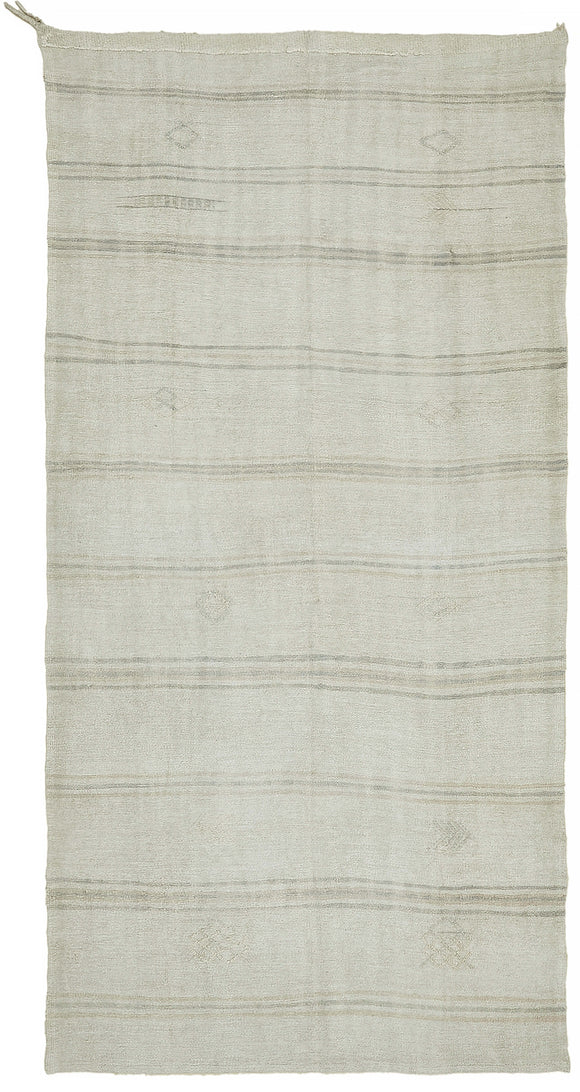
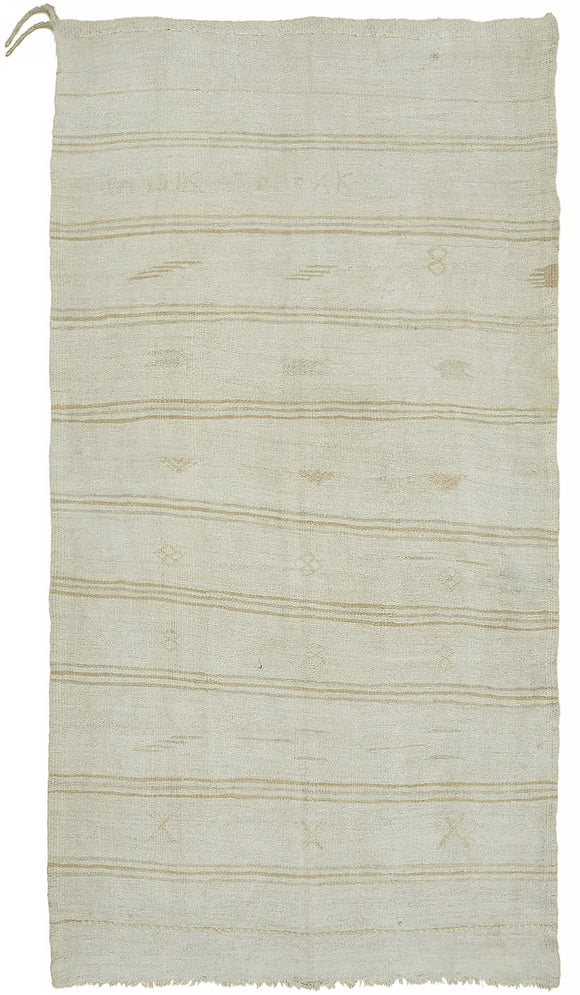
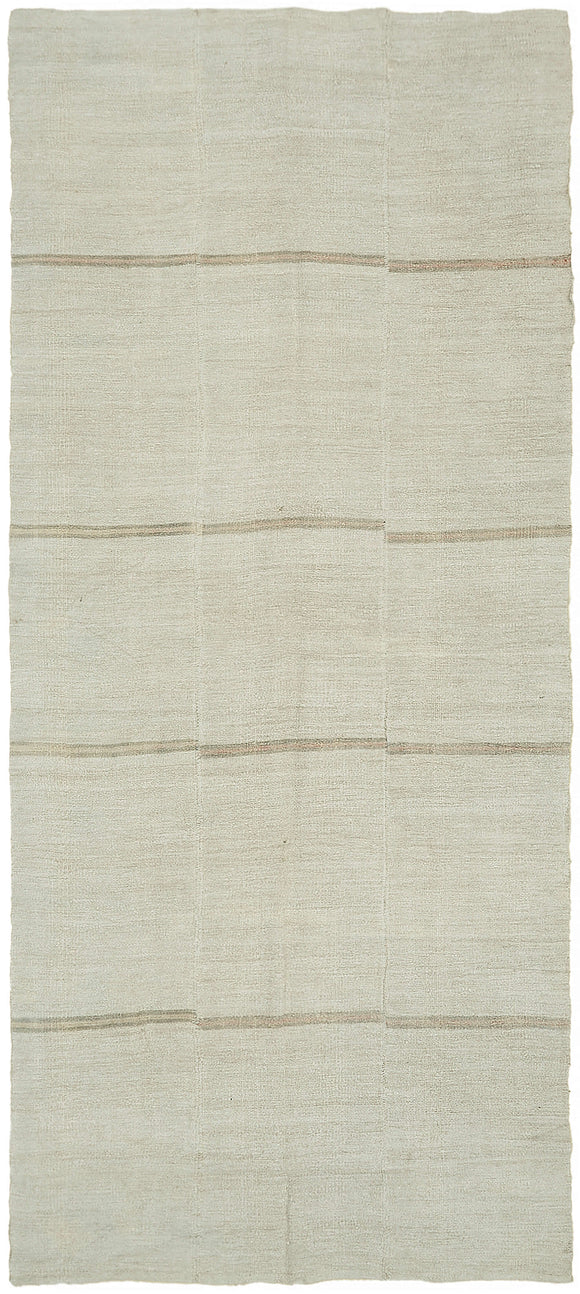
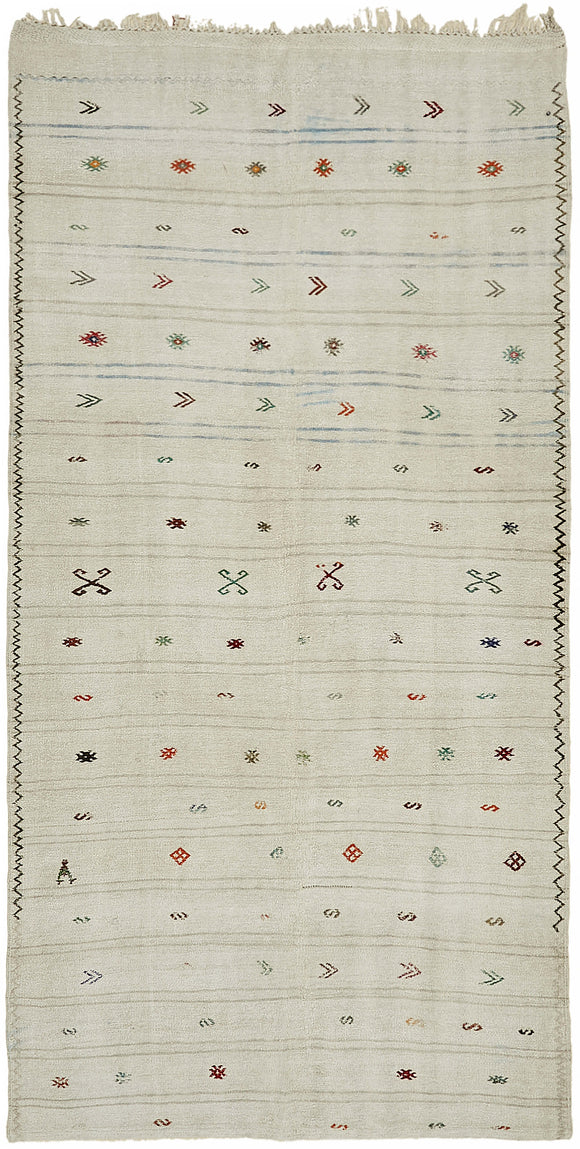
Handmade white rugs often feel much better than flat bright-white machine-made alternatives because texture adds depth and softness. That texture keeps the rug from feeling empty or sterile and helps the light color read as premium rather than plain.
This is especially important in neutral interiors. The best white rugs do not rely on color alone. They combine softness of tone with visible weave, natural variation, and a more tactile decorative presence.
Common Mistakes to Avoid with White Rugs
The biggest mistake is choosing a white rug that is too bright and too flat for the rest of the room. Another common mistake is choosing the color correctly but going too small, which weakens the calming effect the rug is supposed to create.
It is also easy to think “white” when the room actually wants ivory, cream, or off-white. In many homes, the softer neutral version creates the better result.
Explore Handmade White Rugs with Soft Neutral Depth
Explore one-of-a-kind white rugs selected for tonal softness, handmade texture, and versatile styling across living rooms, bedrooms, dining rooms, entryways, and hallways. Whether you want a refined ivory rug, a lighter neutral area rug, or a soft-toned runner, this collection helps you choose with more clarity and confidence.